Recent Posts

Showing posts with label Samsung. Show all posts

Tuesday, August 7, 2012

iPhone 5 Comming - Samsung vs. Apple: Top 5 Revelations So Far!!!

Apple’s legal battle with Samsung currently under way in federal district court in California has yielded a treasure trove of inside scoops about iPhone and iPad prototypes and future devices that may soon be on store shelves.
After just a week of courthouse drama, public documents have shown Apple’s designs for an iPhone with curved glass and an iPad with a kickstand, as well as discussions about an iCar and a 7-inch iPad. Samsung isn't immune to scrutiny either, with indications the Galaxy device maker has a 12-inch Retina-like slate headed your way. We should note, also, that both Apple and Samsung wanted to seal much of this evidence from public view, but Federal District Court Judge Lucy Koh nixed that early, saying that redactions would be few and that parties should assume the court records were open.

For More Details, Click Hare 

Here’s a look at five product highlights from the Apple-Samsung legal tussle.

Curved iPhone
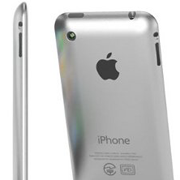
iPhone 5 mockup
In mid-2011 rumors were circulating that Apple would launch an iPhone with curved glass, which turned out to be wrong when the iPhone 4S launched in October.
But Apple considered such a design for the original iPhone. Former Apple designer Christopher Stringer said Apple intended to produce an iPhone with curved glass, but gave up on the design due to cost concerns. Check out Network World for the complete story.

iPad Surface

Microsoft’s built-in kickstand concept for its upcoming Windows 8-based Surface tablets may not be so innovative after all.
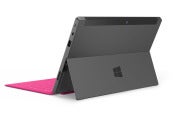
Microsoft Surface
Apple was considering a similar idea for the iPad based on prototype photos The Verge dug up from court documents.
The biggest difference, however, is that Apple was evaluating a single rod-style of a kickstand similar to a tripod leg or a bicycle kickstand. Microsoft’s Surface kickstand is a bar of plastic that folds neatly into the back of the device.

7-inch iPad: Jobs Was into It

Speculation continues that a 7-inch iPad is on its way to compete against devices such as the Amazon Kindle and Google’s Nexus 7, but the mini Apple tablet has yet to be announced.
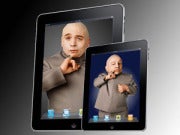
Nevertheless, we now know Apple has at least considered selling such a device based on a January 2011 e-mail from Apple executive Eddy Cue that appears in court documents.
What’s more surprising, however, is that Cue claims in the e-mail that Jobs was receptive to the idea. The former Apple chief famously derided 7-inch slates in 2010 saying the smaller display sizes were not big enough to create quality tablet apps.

iMobile

It’s not clear just how far this idea got, but following the success of the iPod, Apple executives went crazy with ideas for products that could take Apple beyond computers.
One idea was an Apple-branded car, according to court testimony from Apple executives. The news follows public comments in May from Apple board member Millard Drexler, who is also the CEO and Chairman of J. Crew. Drexler said that Jobs had hopes of designing a car before he died in 2011. Fast Company has video of Drexler’s comments.

Samsung P10
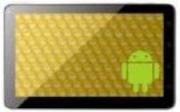
Samsung may soon launch an 11.8-inch Android-based slate with 2560 by 1600 resolution at about 256 ppi, according to court documents uncovered by The Verge. The device’s high-res screen would put make it a Retina-like display similar to the newest iPad model. Code-named P10, the unannounced Samsung slate could launch in late 2012 or early 2013.
The one thing that has yet to leak from court documents is Apple’s plan for the next iPhone expected to debut on September 12.

For More Details, Click Hare 

Wednesday, June 6, 2012

Smartphones 2012: The Best Are Coming With iPhone 5!!

So Many Phones, So Little Time 

 In the market for a new smartphone? Consider waiting for a few weeks or even a few months before buying. Plenty of interesting phones are available now, but even more are coming--and soon--from the likes of HTC, Motorola, Samsung, and Sony.

We've rounded up the latest announcements and rumors so that you can decide whether to take the plunge now or to delay your purchase in anticipation of a new phone that will be perfect for you.

 
 HTC Droid Incredible 4G LTE 
Carrier: Verizon Wireless
Launch date: June or July 2012
Why you'll want it: Verizon Wireless recently announced the HTC Droid Incredible 4G LTE. If you can get past its mouthful of a name, you'll find that this follow-up to the popular Droid Incredible 2 is a worthy successor.
It features a slim and sleek design, an 8-megapixel camera, high-quality audio and video, and support for Verizon's speedy 4G network. And since the carrier plans to launch this phone "in the coming weeks," this is one device you can get your paws on soon.


Samsung Galaxy S III 

Carriers: AT&T, Sprint, T-Mobile, U.S. Cellular, Verizon
Launch date: June or July 2012--check with your carrier for date
Why you'll want it: The Samsung Galaxy S III has already launched in Europe, where it's earning rave reviews for its spacious 4.8-inch screen, 1GB of memory, 8-megapixel camera, and quad-core processor. If you just can't wait until late June or early July, you can snap up an unlocked version of the Galaxy S III for $800 on Amazon, as of June 1.


Nokia 808 PureView 

Carrier: Unlocked
Launch date: Summer 2012
Why you'll want it: Nokia's 808 PureView has a 41-megapixel camera whose image quality some sources have compared to that of digital SLRs.
Other 808 PureView features include a 4-inch touchscreen and 3G support. Nokia has confirmed that it plans to launch an unlocked version of this phone in the United States this summer or fall.


Samsung Galaxy Appeal 

Carrier: AT&T
Launch date: June 5, 2012
Why you'll want it: Opting for a no-contract, prepaid phone can save you big bucks on your monthly bill. And you don't have to settle for a plain-Jane flip phone to take advantage of these prepaid plans.
The Samsung Galaxy Appeal is a case in point. This Android-based, slider-style smartphone's specs are adequate though not flashy: a 3-megapixel camera, Android 2.3, and a 3.2-inch screen). But what you sacrifice in specs, you get back in pocket change, since you can use the Appeal with AT&T's affordable GoPhone voice and data plans.

Apple iPhone 5 


Carriers: AT&T, Sprint, Verizon Wireless, ???

Launch date: To be determined

Why you'll want it: Apple says that it will "double down" on secrecy with regard to upcoming products, but the company can't stop the iPhone 5 rumor mill. Since last year's launch of the iPhone 4S (and even before that product was announced), iOS enthusiasts have been awaiting the iPhone 5.
Will it include 4G support? Will it have a redesigned case? Will it come with a Liquidmetal design? Will it launch in September or October? Who knows? We sure don't. But we do know that plenty of folks will be lining up to buy one, whenever it reaches stores.

Saturday, June 2, 2012

Samsung Galaxy S III : Reveals Some Interesting Secrets !!

 
[Credit: iFixit]We're immensely jealous of our friends over at iFixit and Chipworks who got their hands on the hotly anticipated Samsung Galaxy S III. Doing what they do best--tearing things apart to show you how to fix them yourself--the two teams give us a look inside Samsung's monstrous new phone. While I'm not going to cover every single thing that iFixit and Chipworks found inside of the phone--you can see that for yourself on their website--here are some of the highlights.
The Galaxy S III has a 2100mAh battery which, while not as big as the 3300mAh battery in the Droid RAZR Maxx, is still bigger than the 1750mAH battery that comes with the Samsung Galaxy Nexus. The battery also contains the phone's NFC chip, and humorously asks that users consult the phone's manual before use.
 
[Credit: iFixit]
The glass on the phone is fused to the display (which, in turn, is fused to the frame on the Galaxy S III), and iFixit points out that this will likely increase the cost of replacing your screen should you ever drop your phone and crack it. Samsung is utilizing Corning Gorilla Glass 2 for the Galaxy S III's display, which is supposed to be as tough as the original while being 20 percent thinner. But iFixit also notes that Corning isn't saying whether or not the new glass is any better at resisting damage.
The most interesting thing that this teardown revealed, however, is that the Galaxy S III's 8-megapixel camera uses the same sensor found in the iPhone 4S. Whether or not the Galaxy S III takes better pictures than the iPhone 4S remains to be seen, but we'll have a complete camera comparison between the two phones our S III shows up in the mail. One place where the Galaxy S III definitely has Apple beat is on its front-facing camera: At 1.9-megapixels, it's likely that the Galaxy S III's camera will be vastly better than the VGA camera on the iPhone 4S.
The iFixit team has yet to give the phone a Repairability Score, but they should have one up sometime in the near future. Be sure to check back here for more Samsung Galaxy S III news and a full review of the phone when it shows up in our mailbox.

Tuesday, May 22, 2012

The Best SmartPhones From Every Carrier !!

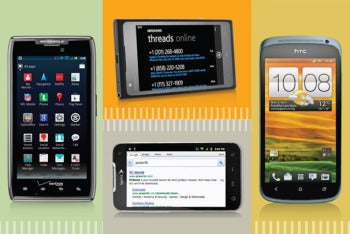
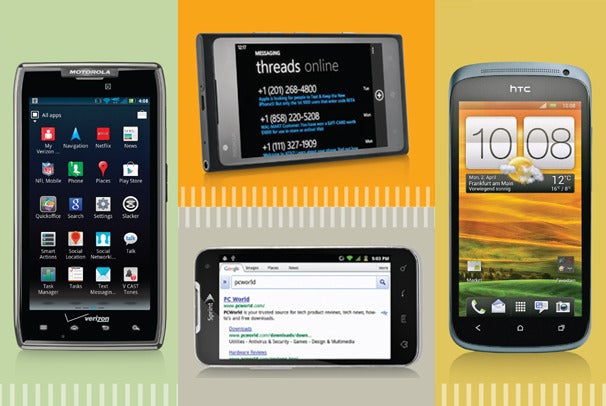
Four of the best smartphones: (left) the Motorola Droid Razr Maxx; (top middle) the Nokia Lumia 900; (bottom middle) the Sprint LG Viper; (right) the T-Mobile HTC One S.Four of the best smartphones: (left) the Motorola Droid Razr Maxx; (top middle) the Nokia Lumia 900; (bottom middle) the Sprint LG Viper; and (right) the T-Mobile HTC One S. Shopping for a new smartphone can be overwhelming.
So many good phones are available that upgrades may feel swamped with op­­tions. Never fear: I’ve picked the best ones on each of the four major carriers. And since the smartphone world moves incredibly fast, I’ll also tell you about phones not yet out.
Worth noting are two upcoming phones I’m excited about but can’t yet recommend, because we don’t know enough about them. One, the Samsung Galaxy S III, will debut in Europe before arriving in the United States. Most carriers likely will get a version of the S III, though so far none of them have confirmed that they will. Another wild card is the fifth-generation iPhone, which hasn’t even been announced yet but is eagerly anticipated.
In the meantime, here are the best smartphones for each of the big four carriers. (Find a summary of this roundup in the chart at the end of this article, on the second page.)

For More Details, Click Hare 
 AT&T
Samsung Galaxy Note
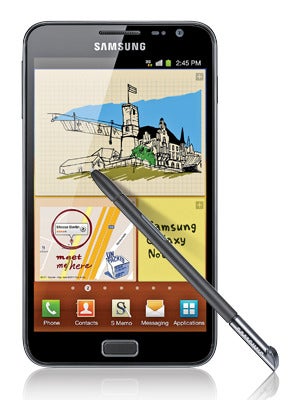
Samsung Galaxy NoteAT&T has a diverse lineup of phones, ranging from Windows Phones like the Nokia Lumia 900 to the iPhone 4S to a slew of powerful 4G LTE Android handsets. One of our favorites is the Samsung Galaxy Note ($300 with a new two-year contract), a one-of-a-kind smartphone that enables you to take notes and draw sketches using a stylus-like Wacom “S Pen.”
As you might expect, the Galaxy Note also has built-in software and special gestures designed for the pen. One handy app, S Memo Lite, lets you jot down notes from pretty much anywhere in the phone. If you have another app open, the notepad appears on top of it, allowing you to switch back to the original app easily. You can open a fuller version of S Memo from the apps menu. In this fuller version, you can add color to your drawing or text, or insert pictures and shapes. In addition, the Wacom pen mimics its nondigital cousins: The harder you press down, the wider your lines will be.
Writing on the Galaxy Note takes some getting used to, but once you master it, you’ll find it’s a lot of fun. The Note can also convert your handwriting into text; it does a pretty good job, though it made a few errors in my testing. Trying the Galaxy Note before you buy it makes sense, however: With its 5.3-inch display, the Note is an unconventional size, bigger than most phones and smaller than most tablets.
Some features of the Samsung Galaxy Note (click to enlarge).(For more on the Note, click on the infographic below.)
Some features of the Samsung Galaxy Note (click to enlarge).Another hot Android phone is the HTC One X ($200 with a new two-year contract). The models in HTC’s One line of phones have three features in common: a high-quality camera with HTC Image­Sense (HTC’s new camera software), built-in Beats Audio for better-sounding music, and a premium design. The premier phone of the One line, the One X has the best specs of the bunch, including a large, 4.7-inch, 1280-by-720-pixel Super LCD 2 display. Super LCD 2 screens, according to HTC, reflect less glare and offer better viewing angles than the displays on older HTC models.
Like all of HTC’s top-of-the-line phones, the One X feels well constructed. The polycarbonate body seems durable but looks attractive. And according to HTC, the One X is scratch-resistant—though we haven’t tested that claim yet.
Unlike the global version of the One X, which shipped with an Nvidia Tegra 3 quad-core chip, the U.S. version has a Qualcomm S4 dual-core processor. (Nvidia’s processor was not yet compatible with LTE networks when the One X was manufactured.) Despite having fewer cores, the U.S. HTC One X sped through all of our testing benchmarks.
(Note: At the moment, a patent dispute may keep the HTC One X from being available to U.S. customers.)
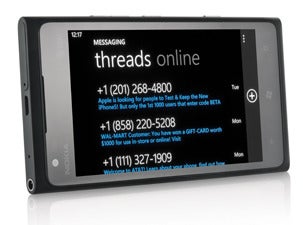
Nokia Lumia 900Nokia Lumia 900If Android isn’t your cup of tea, then consider the Nokia Lumia 900 ($100 with a new two-year contract)—its OS is Windows Phone 7.5. I like the Lumia 900’s unique, stylish design; its stunning display; and its good, 8-megapixel camera. It is also quite speedy, thanks to running on AT&T’s 4G LTE network.
If you can wait to upgrade, consider the Sony Xperia Ion, slated to join AT&T’s LTE lineup later this year (no official date has been an­­nounced). I saw the Ion at its CES 2012 launch, and was impressed by its svelte design and high-end specs. The Ion includes a 4.6-inch display, an HDMI-out port, and a superthin design. It also has a 12-megapixel camera, which took great photos in our brief hands-on tests.

Sprint

LG ViperLG ViperSprint’s LTE network hasn’t launched yet, but that isn’t stopping the carrier from releasing 4G LTE phones. The first of these, the LG Viper ($100 with a new two-year contract), is an environmentally friendly Android Gingerbread phone with a solid camera and an affordable price.
The phone’s body is 50 percent recycled plastic, according to Sprint. Such Earth-friendly phones aren’t generally stylish, but the Viper is an exception. A chrome border on the phone’s edges nicely complements the piano-black face. The silver plastic backing has a “brushed” finish, giving it a sophisticated look. The Viper feels a little chunkier than other recent smartphones, measuring 4.59 by 2.44 inches and 0.46 inch thick, but it weighs a manageable 5 ounces.
The Viper might be easy on the wallet, but it’s no slouch. Powered by a dual-core 1.2GHz Qualcomm Snapdragon S3 processor, the Viper feels snappy. In our tests, it ran three games—Osmos, Edge, and World of Goo—smoothly and without a glitch. One drawback: The Viper ships with the older Android 2.3 instead of the latest version of the OS, Android 4.0 (also known as Ice Cream Sandwich).
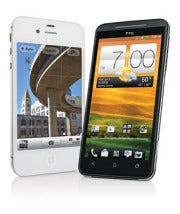
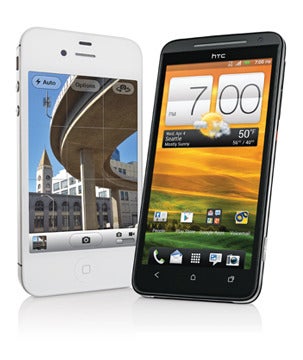
Apple iPhone 4S (left) and HTC Evo 4G LTEYou don’t have to be on Sprint to get the Apple iPhone 4S ($200 with a new two-year contract), as it’s also available on AT&T and Verizon. But iPhone owners on Sprint can take advantage of the carrier’s Un­­limited Data plan, which offers unlimited data and text along with 450 voice minutes, for $70 a month, plus a $10-per-month “premium data add-on charge.”
We love tApple iPhone 4S (left) and HTC Evo 4G LTEhe iPhone 4S’s premium design, upgraded camera, and faster processor. And like its predecessor, the iPhone 4, the 4S has a stunning 3.5-inch, 960-by-640-pixel IPS display. The iPhone 4S also introduced Siri, Apple’s sometimes-helpful virtual assistant.
If you’d prefer to have Sprint’s next great Android phone, look to the HTC Evo 4G LTE, which should be out by the time you read this. (Note: Like the HTC One X, the HTC Evo 4G LTE is in a patent dispute that may make it unavailable for the time being.)
The $199 Evo 4G LTE is essentially a Sprint-branded version of the HTC One X, but it also promises some unique features, such as HD Voice (see below). The Evo 4G LTE carries a dual-core 1.5GHz Qualcomm Snapdragon S4 chip, a 4.7-inch HD IPS display, and the Android 4.0 operating system, along with HTC’s Sense 4.0 user interface and Beats Audio to make music sound better. In addition, like the One X, the Evo 4G LTE has HTC’s ImageSense software for improving and sharing your phone’s photos.
The Evo 4G LTE will be the first phone on a U.S. carrier to come with HD Voice, a technology that significantly decreases background noise. The handset’s built-in kickstand, a design feature we’ve seen on other HTC Evo phones from Sprint, makes watching video on your phone easier. And as the name implies, the Evo 4G LTE will also be on Sprint’s LTE network, once that gets up and running.
Sprint will launch its LTE network initially in Atlanta, Baltimore, Dallas, Houston, Kansas City, and San Antonio starting midyear. The carrier hopes to expand to more cities by the end of the year.

T-Mobile

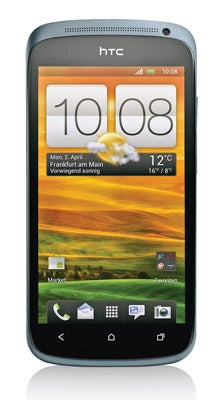
HTC One SHTC One SThe top PHONE on T-Mobile is the HTC One S ($200 with a new two-year contract). It packs a high-end camera, the latest version of Android, and a powerful dual-core processor in a swank, superslim design. HTC phones are generally both easy on the eyes and well constructed, but the One S exceeds those expectations with a classic aluminum unibody design that incorporates contrasting slate and blue-gray panels. However, you can’t remove the battery, and the phone has no MicroSD slot.
The 8-megapixel camera supports an F2.0 aperture and several shooting modes, including high dynamic range (HDR), macro, and panorama. My photos taken in automatic mode looked excellent, with good colors and crisp details. Most of the shooting modes worked quite well, too, especially the macro mode.
The HTC One S is also a superb gaming phone. This handset performed extremely well in PCWorld Labs benchmarks, including GLBenchmark, which measures a device’s graphics performance.
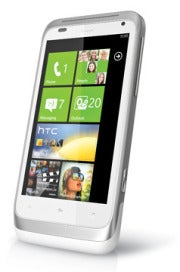
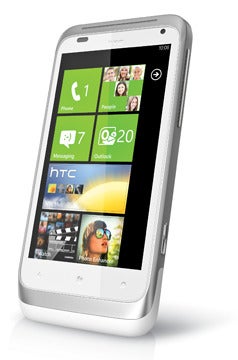
If you’re looking for an alternative to Android, give Windows Phone 7 a try. This OS is on the HTC Radar 4G ($100 with a new two-year contract), which has a stylish and compact unibody aluminum case and a crisp display. The body is almost all white—quite striking against the bold color-block look of Windows Phone.
HTC Radar 4G
HTC Radar 4GThe Radar 4G has the Mango update of Windows Phone 7. An overall success, Mango finally delivers true multitasking with third-party apps, and it has a new browser, Internet Explorer 9. Microsoft completely made over its Bing search engine, too; the new Local Scout feature uses GPS to recognize where you are and provide hyperlocal search results based on your preferences. Mango also includes Xbox Live, the Zune media player, and a full mobile version of Office to create, edit, and view Excel spreadsheets, Word docs, and PowerPoint presentations.
The Radar 4G’s 5-megapixel camera snapped pretty good pictures. The camera has an F2.2 lens and a backside-
illuminated sensor, which helps produce good shots in low-light conditions.
Finally, in a world of dual-core phones, the Radar 4G’s single-core, 1GHz processor may seem a bit dated. But don’t let those specs cloud your judgment: The Qualcomm Snapdragon processor was zippy enough in our testing for browsing the Web, handling multiple open apps, and gaming via Xbox Live.

Verizon

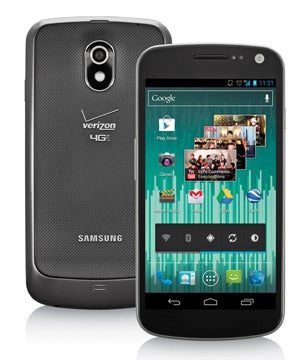
If you’re looking for the pure Android Ice Cream Sandwich experience, you’ll love the Samsung Galaxy Nexus ($300 with a two-year contract), which runs the OS with no interfering overlay. The Galaxy Nexus also features a slick design and a powerful processor.
Samsung Galaxy NexusSamsung Galaxy NexusIts glossy display, piano-black bezel, and textured back are all standard Samsung design elements. But unlike other Samsung Galaxy phones I’ve reviewed, the Nexus feels durable and so­­phisticated. It has no hardware keys on its face. Instead, the touch-sensitive Back, Home, and Search keys are built into the display as soft keys.
Most of the core Android apps have been updated in Ice Cream Sandwich with some sweet new features. For example, Gmail gets a face-lift, with a new context-sensitive Action Bar at the bottom of the screen. The bar changes de­­pending on where in the app you are. When you’re looking at an email message, say, you’ll see options to ar­­chive it, trash it, label it, or mark it as unread. And the browser in Ice Cream Sandwich is just about as close as you can get to a desktop one: You can set it to request full desktop versions of sites instead of the lesser mobile versions. In addition, you can sync your bookmarks from the desktop Chrome browser to the Browser app in Ice Cream Sandwich.
Unfortunately, the Nexus’s camera just isn’t as capable as the rest of the phone. The photos I shot with the Galaxy Nexus’s 5-megapixel camera looked a bit flat. Colors seemed a touch washed out, and details were a little fuzzy. But even if your photos don’t come out perfect, you may be able to salvage them with the OS’s suite of photo-editing tools. You can apply an array of filters (similar to those in Instagram), adjust the image angle, remove red-eye, crop, and more. Any edits you make to a photo will create a copy, in case you want to revert to the original.
Motorola Droid Razr Maxx
Motorola Droid Razr MaxxIf you’re tired of carrying a phone charger everywhere, check out the Motorola Droid Razr Maxx ($300 with a two-year contract). Practically identical to the Droid Razr, also on Verizon, the Razr Maxx offers one huge improvement: longer battery life. The original Razr’s battery seemed to drain before your eyes, a common problem among the carrier’s 4G phones. In PCWorld Labs battery-life tests, the Droid Razr ran for 6 hours, 49 minutes when connected to the Web via Wi-Fi. The Droid Razr Maxx, on the other hand, lasted 12 hours, 29 minutes—almost double the life!
Besides its insane battery life, the Droid Razr Maxx has a lot going for it. At 0.35 inches thick, the Razr Maxx is incredibly thin—on a par with the Samsung Galaxy Nexus. It has a soft-touch back made out of Kevlar, a ma­­terial found in high-end speedboats, bulletproof jackets, and bicycle tires; Motorola says that Kevlar is five times stronger than steel. The phone also has a stainless-steel core, giving it a feeling of sturdiness and solidity. On top of that, a splash-guard feature protects the phone if you get caught in a downpour or spill something on it.
The Droid Razr Maxx comes with a service called MotoCast, which lets you access files on your PC remotely without having to upload or sync them. You can access everything from PowerPoint files to your iTunes playlists on your Razr Maxx. In addition, Smart Actions, a new app, lets you set reminders to indicate when you should recharge your phone (for example, when you go to bed). If you forget to plug your phone in, you can set a Smart Action called “Nighttime Battery Saver,” which adjusts your phone’s network and screen settings to make the battery last longer the next day.

The Prepaid Alternative

Don’t want to commit to a two-year contract? Go prepaid. Contract-free carriers now have better phones and faster networks than ever before. Some of these carriers, such as MetroPCS, even have 4G LTE networks. We gave both of MetroPCS’s new phones, the Samsung Galaxy Attain and the LG Connect 4G, positive reviews.
One drawback of going contract-free: You may not get the latest smartphones. For instance, Straight Talk, a prepaid service sold at Walmart, sells the LG Optimus Black and the LG Optimus 2X. They debuted at CES (the Consumer Electronics Show)—in January 2011.

Summary: The Best Smartphones Chart

Click on the chart below to enlarge it.

Friday, May 11, 2012

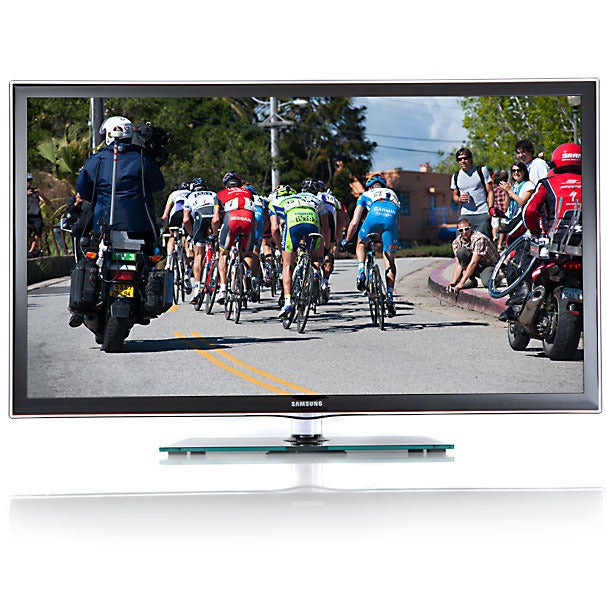
Samsung UN46D6000 46-Inch LED HDTV!!

Samsung UN46D6000 46-Inch LED HDTV
ITnewsTouch Rating
3.0
3.0 / 5 - ITnewsTouch, May 11, 2012

Pros
  • Superb Smart Hub accesses sources and features
  • Views pictures and videos from a smartphone
  • Smartphone remote app with text-entry options
  • Excellent slideshow options
  • Attractive onscreen menus with useful explanations
Cons
  • Some inputs face down
  • Major problems tracking motion
  • Distorted audio at reasonably high volumes
  • Search tool is of minimal use
  • No Wi-Fi
Bottom Line
The Samsung UN46D6000 has almost all the right extras for a network- and Internet-savvy HDTV--especially one that costs only about $1000. However, image and sound quality disappoint.
Samsung UN46D6000 Review: $1000 Set Has Great Features, Middling Video:

On paper, or on a website, the Samsung UN46D6000 looks like an all-around excellent HDTV, especially for a street price of around $1000 (as of 5/5/2012). While the UN46D6000 refreshes the screen at a rate of 120Hz, Samsung claims that the HDTV's “Clear Motion Rate” technology simulates the smoother motion you might see on a 240Hz set (more on that later). The set's sleek, easy-to-navigate Smart Hub feature provides access to your home network and the Internet. You can even control the set from your iPhone or Android device.
But you can't judge a television by its cover--or its stats. You can judge one by looking at the image quality, and here the UN46D6000 disappointed--especially in tests involving complex motion.

Lab Tests: Picture and Sound Quality

In the PCWorld Labs’ subjective tests for image quality, all four judges noted motion problems in our Mission Impossible III and The Dark Knight tests. When the camera panned over a brick wall in Mission Impossible (chapter 7), judges disagreed on whether the visible distortion was trivial ("minor motion problems") or serious ("wall doing the wave"). But everyone agreed that when the camera approached a skyscraper in a helicopter shot from The Dark Knight (chapter 9), it looked like a disaster. The building vibrated badly, with bits of it going briefly black. It looked like it was having trouble beaming down from the USS Enterprise.
Fortunately (and illogically), these problems are fixable by disabling the UN46D6000's “Clear Motion Rate” feature. Samsung says "Clear Motion Rate" technology uses a combination of the set's refresh rate, response time, image-processing speeds, and LED backlighting to improve fast-moving images. With this "feature" turned off, the Dark Knight scene looked fine. PCWorld's policy is to test HDTV image quality with this and similar features left on their default setting, so my discovery did not improve the set’s overall performance score.
With “Clear Motion Rate” turned on, the UN46D6000 performed reasonably well with less-lively video. Judges complained about minor skin-tone issues, contrast, and saturation. No one in our panel of judges was blown away by great-looking images, but no one was horrified, either.
Unfortunately, the set’s built-in speakers didn't sound very good. With the volume cranked all the way up, distortion was horrible. On the other hand, the cranked-up volume was also way too loud, so you probably would never play it at that level anyway. At 60 percent of volume--a loud but reasonable setting for watching a movie at home--the distortion was still noticeable. Stereo separation in the front tracks was very good, but the set's faux-surround-sound feature was only moderately effective.
That said, the built-in speakers of even the best HDTVs can't recreate today's movie soundtracks. If you really care about audio, you'll need to invest in a separate home theater sound system.

Inputs, Basic Setup, and On-Screen Menus

Most of the inputs (including all four HDMI ports) are mounted on the side of the television, where they can be easily accessed. Unfortunately, the VGA, ethernet, and coaxial connectors are on the back and, even worse, face down. Depending on where you place your HDTV, you may need to be a contortionist to access them.
When you first turn on the UN46D6000, a wizard walks you through the initial setup. Its clear explanations help, for the most part, but not always. For instance, when you tell it to look for digital cable stations, it asks you to pick between STD, HRC, and IRC, with no on-screen explanation. You'd have to check the manual to discover that "Most cable systems use STD." Once you've set up the UN46D6000, you can launch the colorful, attractive, and--most important--helpful main menu to change settings. Every option is explained, sometimes with graphics.
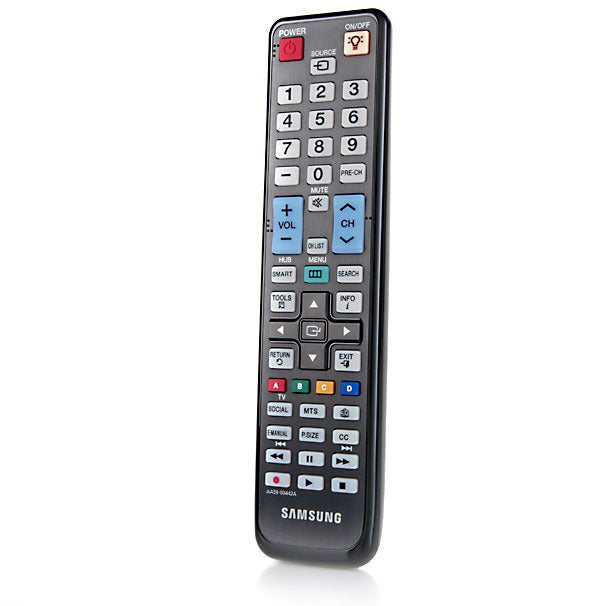
A Tools button on the remote control brings up a mini-menu of options you may frequently want to set. The remote is large and somewhat boxy, but felt fine to my hand. The buttons are large and well-placed, with the ones you're mostly likely to use in easy thumb locations. Press the key in the upper-right corner, and all the other keys light up. But you can't program the remote.
If you have an iOS or an Android device, and it can access the same home network as the HDTV (more about networking below), you can control the UN46D6000 via the Samsung Remote app. But once you get past the "Oh, wow!" factor, a remote control phone app has only one advantage over a real remote control: text entry. The Samsung app will bring up your phone's keyboard for some of the UN46D6000's text screens, but not all of them. For instance, you can use it to log into the TV's Social app, but not to search for a movie in Netflix.

Internet-Connected TV, Mobile Sharing, and Documentation

Press the remote's Hub button, and you'll be taken to Samsung's "Smart Hub," a screen that gives you access to various entertainment sources coming to you via the Internet, your home network, or the television's USB port. The UN46D6000 doesn't come with built-in Wi-Fi; for network and Internet capabilities, you'll have to either plug in an ethernet cable or buy a separately sold wireless adapter.
Once you're connected to the Internet, the UN46D6000 brings you common streaming options such as Netflix, Hulu Plus, YouTube, and Pandora. The aforementioned Social TV gives you Facebook and Twitter access, although you have to sign in via a separate Samsung account (which is free).
But one enticing, Internet-based Smart Hub feature disappoints: search. In theory, you can search for a movie or TV show, and find out where you can watch it among your various streaming services. But it doesn't support two popular services that would likely bring up a lot of search results on Smart Hub: Netflix and Hulu Plus.
The network connection that brings the Internet to your TV can also bring content from your computer. If your PC is running DLNA server software, such as Windows Media Player, it can send videos, photos, and music to the UN46D6000. If the computer and server software are up and running, you can control everything else from the TV.
A new feature that you'll find in the Smart Hub, SwipeIt, allows you to view videos and photos that reside on your Android or iOS device. You'll need to install the SwipeIt app on your phone or tablet to do this, and as with the remote control app, the device must be connected to your home network via Wi-Fi. I found this feature reasonably easy to set up, but bringing a photo up on my phone didn't display it on the TV. The trick, implied by the feature's name but not really intuitive, is to swipe upward on your phone's or tablet's screen to send the image or video to the UN46D6000.
Of course, you can also simply copy your music, photos, and videos to a flash drive and plug that into the UN46D6000. This TV has an exceptional slideshow feature, with six transition effects, background music (with a shuffle option), and other settings. It supports a reasonably large selection of video formats (five of the seven I tested), but audio-file support is limited to .mp3. You'll find the list of video formats on page 219 of the large online manual.
Which brings us to documentation. The UN46D6000 comes with a thin, 24-page manual that doubles as a quick setup guide. It's well designed and gets you through the basics, but that's about it. You won't find the real details here. Fortunately, there's more documentation; it's just not on paper. Press the remote's E-Manual button, and you'll get a clear, menu-based help environment where you can probably find the information you need. The Try Now on-screen button will take you from the E-Manual to the right location in the television's menu to do what you've been reading about.
And if that doesn't do it for you, there's the massive, 303-page full manual that you can download as a .PDF from Samsung's site (click "See All Downloads" under the Downloads header on the linked page).

Bottom Line

The Samsung UN46D6000 has a lot of cool extras, including connected features, mobile apps, and slick menus for a very reasonable $1000 price. Motion handling is a weak spot, but some of the issues we encountered can be remedied by turning off the “Clear Motion Rate” feature. If it looked and sounded better, it would be a great TV. As it stands, it’s still a pretty good deal for the price.

Wednesday, May 9, 2012

Smartphone Of Sensation: Samsung Galaxy S III !!

Samsung Galaxy S III: Hands On
Samsung Galaxy S III The global Samsung Galaxy S III just launched last week in London, but we got to use it Tuesday at the CTIA 2012 mobile show.
I only got a brief look at Samsung’s latest and greatest, but I found many things to like about it--and just a few I wasn’t so fond of. Keep in mind that this is not the U.S. version of the Galaxy S III; the 4G LTE and HSPA+ phones won’t debut until this summer.
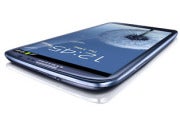
Samsung has done a nice job with the design of the Galaxy S III. It is thin and light with a slightly curved body. The 4.8-inch display has a very small bezel around it, giving you more display but without making the phone gigantic.
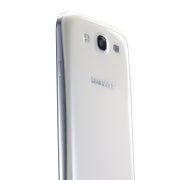
The Galaxy S III home buttonIt comes in two colors, white and “pebble.” The white phone looks nice, but the “pebble” color, which is sort of a bluish-gray, is much more attractive in my opinion. It has this cool “brushed” look on the back, too. The Galaxy S III feels very much like its predecessor the Galaxy S II: Light, but a bit on the plasticky side. It doesn’t have that durable, solid feel of the HTC One S or One X.
The Galaxy S III home buttonIf you’re not a fan of the hardware home button on the Galaxy S III, don’t fret: The U.S. versions will likely have your standard three capacitive-touch Android navigation buttons (Back, Home, Recent Apps).

Quad-Core Processor

The thin Samsung Galaxy S III smartphoneThe thin Samsung Galaxy S III smartphone The global version is powered by Samsung’s 1.4GHz Exynos 4 Quad processor. I have a suspicion, however, that the Samsung quad-core processor is not compatible with U.S. LTE networks. If true, we might see a different processor on the S III phones in the United States. Despite my badgering, Samsung would not comment on what sort of processor the U.S. versions will have.
The phone felt quick and speedy through the user interface and while browsing the Web. Apps were responsive, and videos ran smoothly over YouTube.
As you might recall, Samsung has some strange marketing around the Galaxy S III claiming that it “follows your every move.” Creepy? Maybe, but one of the features is the ability to track your eyes via the phone’s front-facing camera.
When you have the phone in front of you, the screen will stay lit and not lock after a few seconds. If you pull the phone away (or fall asleep playing Angry Birds), the screen will turn off. The feature worked pretty well when I tried it out.


Siri's Cousin?

The Galaxy S III also has an Apple Siri-like feature called S Voice. The Vlingo-powered, voice-activated application works pretty similar to Siri in that you can use it to look up answers (also via Wolphram Alpha), schedule appointments, call somebody and more.
The
The "Pebble" version of the Galaxy S IIIYou can do some other neat things that Siri can’t, however, like say “Snooze” to turn off your alarm or program your camera to automatically take a picture whenever you say “Cheese!” S Voice had a difficult time understanding me, but too be fair, I’ve never had much luck with Siri either.
Another feature I wasn’t too fond of is the onscreen keyboard. I wasn’t really a fan of the Galaxy S II keyboard, and it looks like this one hasn’t changed too much from the one on its predecessor. The keys are too narrow and small, and I made a lot of mistakes while typing out a message.
CTIA 2012The lighting in the Samsung meeting room wasn’t so great, so I didn’t get to fairly test the camera. Despite the yellowish, dim lighting, however, my pictures looked pretty sharp.
I’m curious to see what the U.S. carrier-branded phones will be like and how different they might look in terms of design and features. This summer can’t come soon enough.

Thursday, May 3, 2012

Samsung Galaxy S III Smartphone In Front Of You!!

Samsung Launches the Galaxy S III SmartphoneSamsung Galaxy S III Smartphone Samsung Electronics Thursday launched the Galaxy S III, which comes with a quad-core processor, a bigger screen and a host of software features, including voice recognition, the company said at an event in London.
After months of speculation about screen sizes, camera resolutions and design, the smartphone is finally here. The 3G version will be available from the end of the month in Europe before being rolled out to 144 countries total. The LTE version will be out during the summer.
The hardware specification is close to other high-end Android-based smartphones launched this year, including the already available HTC One X.
The Galaxy S III is powered by Samsung's quad-core 1.4GHz processor, which is based on the the ARM Cortex A9. It has a 4.8-inch super AMOLED screen with a resolution of 1280-by-720 pixels, which is housed in a shell that is 8.6 millimeters thick and weighs 133 grams.
"The display is really impressive," said Malik Saadi, principal analyst at Informa Telecoms & Media.
Storage capacity is either 16, 32 or 64GB which can be expanded via the MicroSD card slot. There is 1GB of RAM, an 8-megapixel camera and NFC, as well.
Samsung has been a proponent of NFC, so support for the technology isn't a surprise. But the memory size and camera resolution were rumored to be 2GB and 12-megapixel.
One advantage over HTC's One X is that the LTE-version of the Galaxy S III, which will initially be released in the U.S., South Korea and Japan, will have the quad-core processor. The LTE version of the One X has a dual-core processor, while the 3G version has a dual-core processor.
For other parts of the world, Samsung will release a version with HSPA+ at 21M bps (bits per second).
To help all that run as long as possible, there is a 2100mAh battery.
"Battery life is going to be an issue. But I have been impressed with the battery life on the One X, so to me that says quad-core processors don't come with a massive battery problem, and the size of the battery in the Galaxy S III will also help" said Ben Wood, director of research at CCS Insight.
As hardware specs have become more similar, vendors in the Android camp have been trying to differentiate their products using software, and the Galaxy S III is no different. Like its predecessors, it uses TouchWiz on top of Android.
Samsung has also added integrated voice recognition. The feature is called S Voice and can be used to control the phone and like Apple's Siri ask for things like weather information. It will understand English, French, German, Italian, Spanish and Korean.
NFC can be used to share content such as video clips, but the feature only works between two Galaxy S IIIs.
"It is an issue when great functionality is restricted to specific devices. But the implementation on the Galaxy S III is a first step," said Saadi.
Also, a number of features take advantage of the cameras and sensors in new ways. For example, the front camera can spot that someone is looking at the screen and as long as that is the case it won't dim the screen.
Using face recognition the phone can link a person on a new photo to information in the address book, as long as there is a photo there as well.
"Applications are starting to talk to each other to make the user experience better," said Saadi.

Galaxy Note Features Included

The Galaxy S III also inherits a number of features from the Galaxy Note, including Facebook and Twitter accounts updated in real-time on the home screen, which has helped make the Galaxy Note a success, according to Saadi.
"Samsung has added some clever bells and whistles on to the phone like S Voice and image recognition, but without using the phone its difficult to say how well it works," said Wood.
But luring users with software isn't always easy. Many of the new software features are a boon for advanced users who are enthusiastic about technology, according to Saadi. However, getting the message across to a typical user is really hard, he said.
The Galaxy S smartphones have been criticized for a design that is not luxurious enough. The new Galaxy is also made of plastic, but that is an improvement over the previous models, according to both Wood and Saadi.
There are other considerations when designing a phone -- for instance, a metal case becomes a challenge when combined with NFC, said Wood.
Still, the overall design is a bit disappointing, according to Francisco Jeronimo, research manager at IDC.
"I think Samsung needs to be a bit bolder with the design of its phones to challenge the iPhone in that area, as well," said Jeronimo.
Following the success of the Galaxy S II, there is a lot of pressure on Samsung to put out a great phone.
"I think [the Galaxy S III] is going to be a massive hit for Samsung, but it isn't as disruptive as previous devices have been because the bar is set very high now," said Wood.
Even though the Galaxy S III has a specification similar to other new high-end Android-based smartphones, Samsung's brand and marketing might will help reinforce its strong position in the smartphone market, according to Wood.
Samsung now has the opportunity to grab market share while many of its rivals are struggling.
"It is clear that this is the perfect moment for Samsung to do that, coupled with the fact that it has a four- to five-month lead over Apple's iPhone 5," said Wood.
HTC, Nokia and Research In Motion all lost market share during the first quarter, while Apple's and Samsung's chunks of the market grew, according to IDC.
But in the end, how competitive the phone truly is won't be clear until the next iPhone is launched, said Wood.


For More Click Hare

Download Sexy Girls Wallpapers, Click Hare

Monday, April 16, 2012

Samsung Ready For Galaxy S III Smartphone Launch

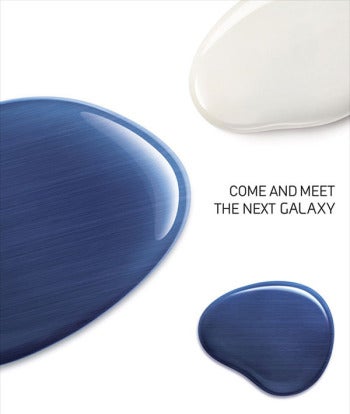
Samsung has sent out media invites to a launch event on May 3 in London, where the company is expected to introduce its next flagship Android smartphone, dubbed the Galaxy S III. The invitation simply reads: “Come and meet the next Galaxy.”
Very little is known about Samsung’s next Galaxy smartphone. The previous iterations, the Galaxy S and S II sold a cumulated 30 million, so the pressure is on for Samsung to deliver a killer device that would rival the sales of Apple’s iPhone, which is also due a refresh, probably some time this summer.
The typical online speculation on what the Galaxy S III will bring points to a larger screen, possibly 4.6-inch, bigger than the S II’s but still below the Note’s, and in line with the Galaxy Nexus. You could also expect a quad-core processor, 4G connectivity, a high-resolution camera, something up to 12 megapixels, and Android 4.0 on board.
The invitation to the Samsung event could also hint at what to expect from the S III. The paint-like blobs suggest the new phone could feature a S-Pen stylus, as found the Galaxy Note tablet/phone hybrid. Meanwhile, the brushed metal effect on the blue botch would indicate the S II could ditch the plastic case in favor of a metallic one.
Samsung said it will be broadcasting the event live on its official Facebook page.